Drone + high-resolution thermal imaging

See what your building is hiding.

Thermal imaging reveals moisture, insulation gaps, air leaks and overheating electrical components that are invisible to the naked eye. We find them early, document them clearly, and give you a prioritized plan before they become structural damage, mold, downtime or fire.

  • FAA Part 107 certified remote pilot
  • Non-invasive, no contact
  • No shutdown required
  • Documented, comparable reports
High-resolution sensorsSmaller temperature differences, caught earlier than handheld gear can see.
FAA-certified drone flightsWhole roofs and large facilities scanned fast by an FAA Part 107 certified remote pilot, with people kept off ladders and away from energized gear.
Zero interruptionElectrical and mechanical systems are scanned under normal load, no outage, no contact.
Reports you can act onEvery finding recorded, ranked and comparable scan over scan.

What we inspect

Three places where heat tells the truth.

Every building leaks energy, holds water, or runs hot somewhere. Thermal imaging shows exactly where, so you fix the real problem instead of guessing.

Roofs & Windows

Locate trapped moisture, underperforming insulation and building-envelope gaps before they lead to structural damage, mold growth or rising energy bills. Around windows and doors we pinpoint heat loss, failed seals and damaged weatherstripping.

What we find
  • Trapped moisture under roofing membrane
  • Missing or damaged roofing materials
  • Insulation voids and thermal bridging
  • Air leaks at windows, doors and seals
Electrical Panels

Abnormal heat is the earliest warning an electrical system gives. We scan energized panels under normal operation, without contact or interruption, and flag components trending toward failure or fire.

What we find
  • Loose or corroded connections
  • Overloaded circuits and unbalanced loads
  • Failing breakers and deteriorating components
  • Hot spots hidden behind closed panel covers

Mechanical Systems

Friction, misalignment and lubrication problems all show up as heat long before they show up as downtime. We identify overheating equipment so maintenance teams can prioritize repairs and extend service life.

What we find
  • Overheating bearings, motors and pumps
  • Gearbox and belt friction or misalignment
  • Lubrication failures in rotating equipment
  • Components trending toward unplanned failure
Thermal Visible Trapped moisture Air leak at window Insulation gap Overheating breaker
Cooler
Hotter

Illustration of typical findings on a commercial building. Drag the handle to compare.

What thermal reveals

The problem is already there. Now you can see it.

A visible-light photo shows a building that looks fine. A thermal scan shows where water sits, where conditioned air escapes, and which breaker is running hot.

  • Moisture shows coldWet insulation holds temperature differently than dry, so trapped water stands out on a roof scan.
  • Leaks show as streaksConditioned air escaping around windows, doors and penetrations paints a clear signature.
  • Failures show hotLoose connections, overloaded circuits and worn bearings run hotter than their neighbors, weeks or months before they fail.

How it works

From scan to prioritized plan in four steps.

01

Scope the property

Tell us what you own or manage and what concerns you. We recommend the right scan: roof, envelope, electrical, mechanical, or all of it.

02

Scan without disruption

Drone flights cover roofs and large facilities. Handheld high-resolution scans cover panels and equipment under normal load. No shutdown, no contact.

03

Analyze the imagery

Every thermal image is reviewed for anomalies, cross-referenced with visible-light photos and ranked by severity.

04

Report and prioritize

You receive a clear report: what we found, where it is, why it matters, and what to address first. Scans are archived for comparison over time.

Why high resolution

More detail. More coverage. Better documentation.

Most thermal inspections are done with lower-resolution handheld devices. High-resolution sensors, especially when drone-mounted, change what is possible on large buildings, electrical systems and hard-to-reach areas.

Traditional handheld

Lower-resolution inspection

  • Small temperature variations blend together and get missed
  • Large roofs and facilities take hours of walking, section by section
  • Personnel must climb to elevated or hazardous locations
  • Limited, inconsistent images make comparisons over time difficult

Thermal Spectrum Technologies

High-resolution, drone-capable inspection

  • Substantially more thermal detail, revealing smaller anomalies earlier
  • Whole roofs and large sites covered quickly from the air
  • People stay away from elevated, energized and hazardous areas
  • Recorded, analyzed and compared scan over scan, built into your report
FAA Part 107 certified sUAS Remote Pilot

Flying a drone for commercial work requires an FAA Remote Pilot Certificate under 14 CFR Part 107. Thermal Spectrum Technologies holds that certification, so every aerial inspection is flown legally, safely and to FAA standards.

FAA Part 107

Aerial photography

Listings and advertising, from above.

High-resolution aerial stills from our FAA Part 107 certified drone platform — striking perspectives for real estate listings, marketing campaigns, and advertising, delivered ready to publish.

Sample work

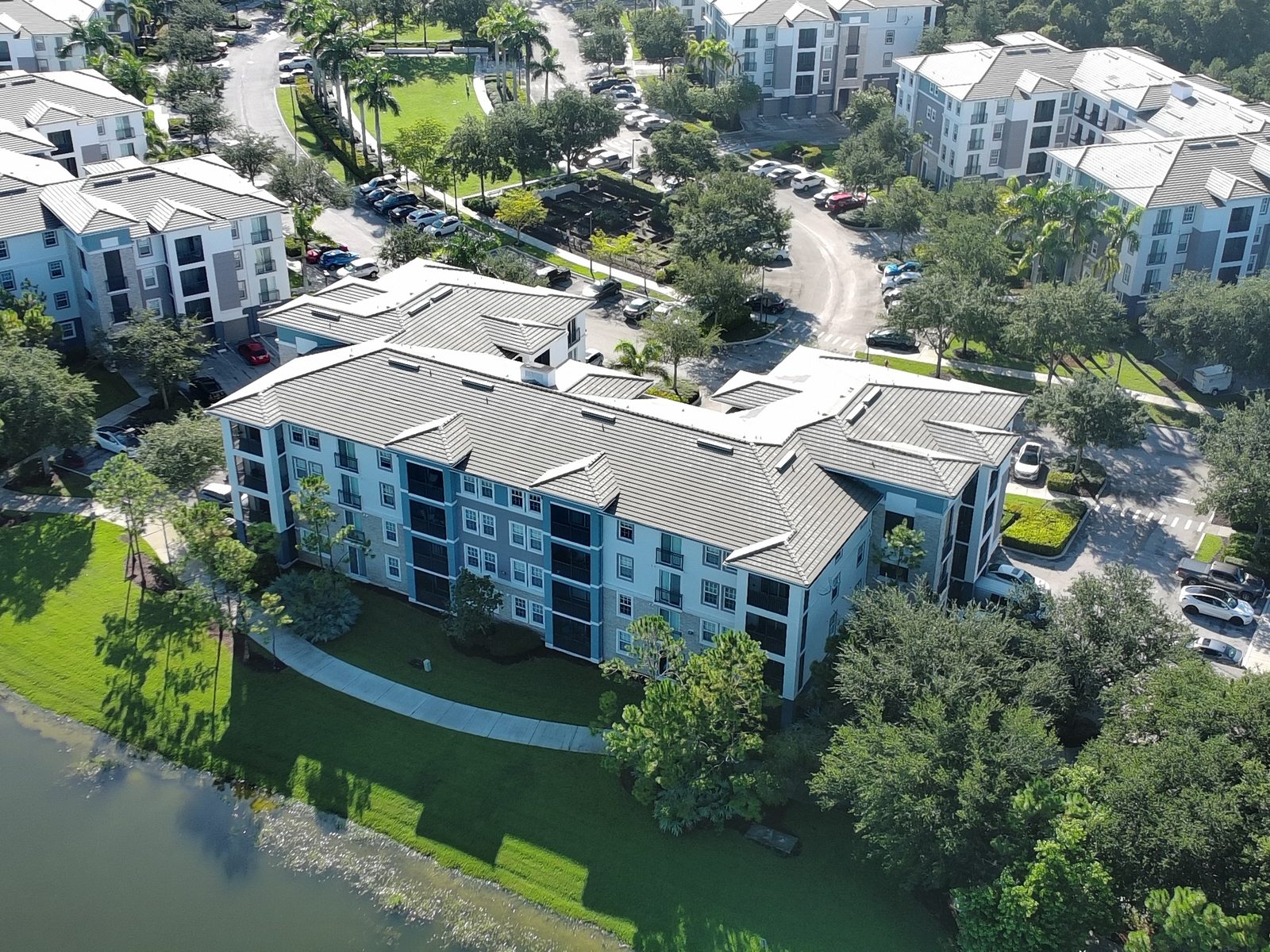
Drone aerial photo of a residential community in Wellington, Florida, showing apartment buildings, landscaping, and a lake
Residential community — Wellington, Florida. Elevated exteriors and neighborhood context that make a listing stand out.
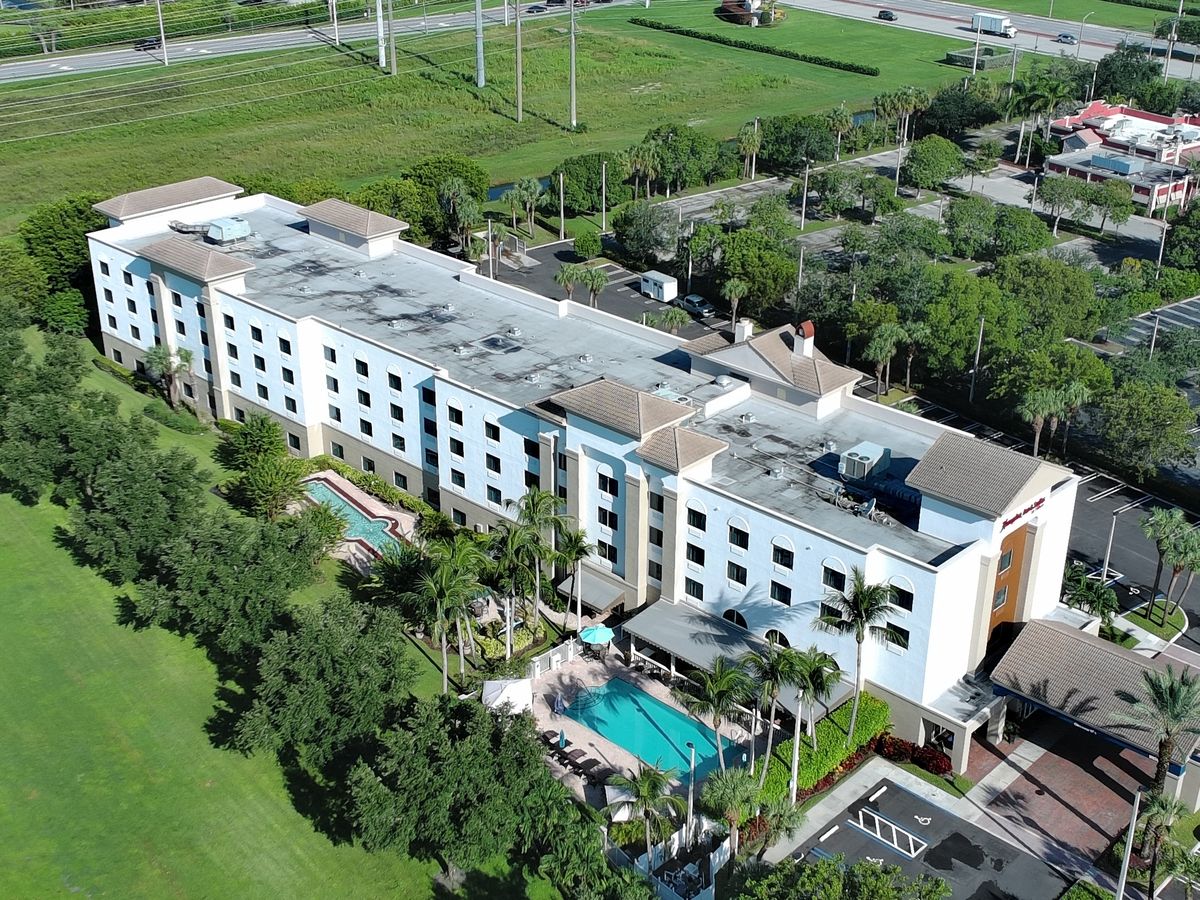
Drone aerial photo of a hotel property showing the building, pool, and landscaped grounds
Hospitality property. Full-property overview of buildings, grounds, and amenities.
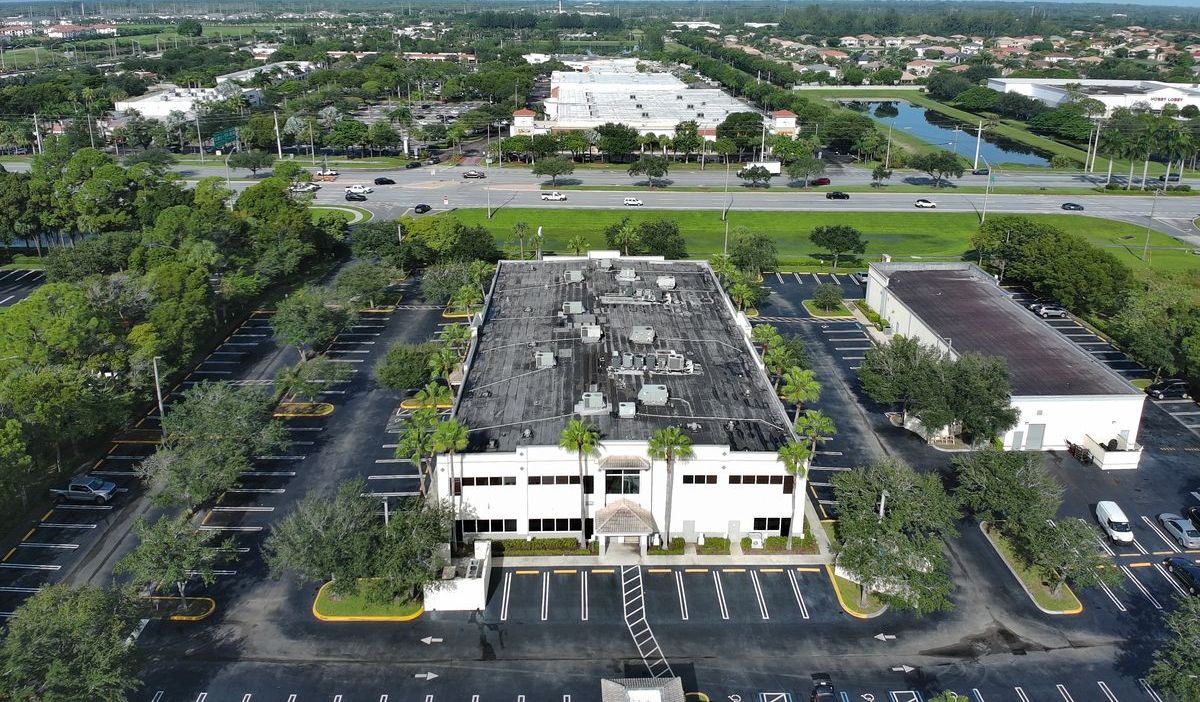
Drone aerial photo of a commercial site showing office buildings, roofs, and parking areas
Commercial site. Roof, parking, and building overview for documentation and planning.

Real Estate Listings

Elevated exteriors, full-property overviews, and neighborhood context that make a listing stand out — shot in high resolution and delivered ready for MLS and marketing.

What you get
  • High-resolution aerial stills
  • Front, rear, and overhead perspectives
  • Property, lot, and neighborhood context
  • MLS-ready file delivery

Advertising & Marketing

Eye-catching aerial perspectives for campaigns, websites, and print — a sense of scale and place that no ground-level photo can deliver.

What you get
  • Hero shots for web and print
  • Brand and campaign imagery
  • Consistent style across a shoot
  • Licensed for commercial use

Property Overviews

Clear documentation of buildings, roofs, and site conditions from above — useful for owners, property managers, and project planning between inspections.

What you get
  • Roof and façade overviews
  • Site and boundary context
  • Progress documentation over time
  • Flown by an FAA Part 107 pilot
Inspection summaryExample
Panel B, breaker 14Connection running hot under normal load
Priority 1
Roof, NE quadrantTrapped moisture beneath membrane near HVAC curb
Priority 1
Second floor, west windowsAir leakage at frame seals, three units
Priority 2
AHU-2 supply fan motorBearing warmer than paired unit, monitor
Priority 3

Your deliverable

A report that tells you what to fix first.

Thermal images alone are not useful. Ranked findings with locations, visible-light references and plain-language explanations are.

  • Every anomaly documented with thermal and visible images side by side
  • Findings ranked by priority so budget goes to the highest-risk items
  • Archived scans for year-over-year comparison and preventive maintenance planning
  • Formatted for owners, facility teams, contractors, insurers and boards

Who we work with

Anyone responsible for a building or the systems inside it.

Property owners

Residential and commercial. Catch envelope and roof problems before repairs get expensive.

Facility managers

Preventive maintenance for electrical and mechanical systems without interrupting operations.

HOAs & condo boards

Objective documentation of roof and building conditions to support planning and reserves.

Contractors & electricians

Verify work, locate faults fast and give your customers imagery that proves the problem.

Inspectors & insurers

Independent thermal evidence to support inspections, claims and risk assessments.

Common questions

Straight answers.

Is thermal imaging invasive or disruptive?

No. Thermal imaging is non-contact and non-invasive. Roofs and envelopes are scanned from the air or from the ground, and electrical and mechanical equipment is scanned while operating normally. Nothing is opened, drilled or shut down.

What can a thermal camera actually detect?

Temperature differences that are invisible to the naked eye. In practice that means moisture intrusion, poorly performing or missing insulation, missing or damaged roofing materials, air leaks around windows and doors, loose or overloaded electrical connections, failing breakers, and overheating bearings, motors, pumps, gearboxes and belts.

Are you licensed to fly drones commercially?

Yes. Commercial drone operations require an FAA Remote Pilot Certificate under Part 107. Thermal Spectrum Technologies is FAA-certified as a Part 107 sUAS Remote Pilot, which is a legal requirement for any paid drone inspection work.

Why does resolution matter?

A high-resolution sensor captures substantially more thermal detail, so smaller temperature variations and smaller problems are visible earlier. It also allows accurate inspection from a distance, which is how a drone can cover an entire roof or facility while keeping people away from elevated, energized or hazardous locations.

When is the best time to scan a roof?

Roof moisture surveys work best when there is a meaningful temperature difference between wet and dry areas, typically after a sunny day as the roof cools in the evening. We schedule flights to match conditions so the imagery is as clear as possible.

How often should electrical and mechanical systems be scanned?

Many facilities scan critical electrical and mechanical equipment on a regular preventive-maintenance schedule so developing problems are caught early and each scan can be compared with the last. We can recommend an interval based on your equipment and how heavily it runs.

What do I receive afterward?

A documented inspection report with thermal and visible-light images of every finding, its location, an explanation of what it likely indicates, and a priority ranking so you know what to address first. Scans are archived so future inspections can be compared against them.

Request an inspection

See more. Know more. Solve more.

Tell us about the property or equipment and we will recommend the right scan and get you on the schedule.

  • Call or text (561) 785-5785
  • FAA Part 107 certified sUAS Remote Pilot
  • Serving South Florida property owners, facility teams and contractors
  • Non-invasive, no shutdown, fully documented

Request an inspection
Takes about a minute. No obligation.

Your information is never shared. We reply personally, not with an automated quote.

CallRequest an Inspection